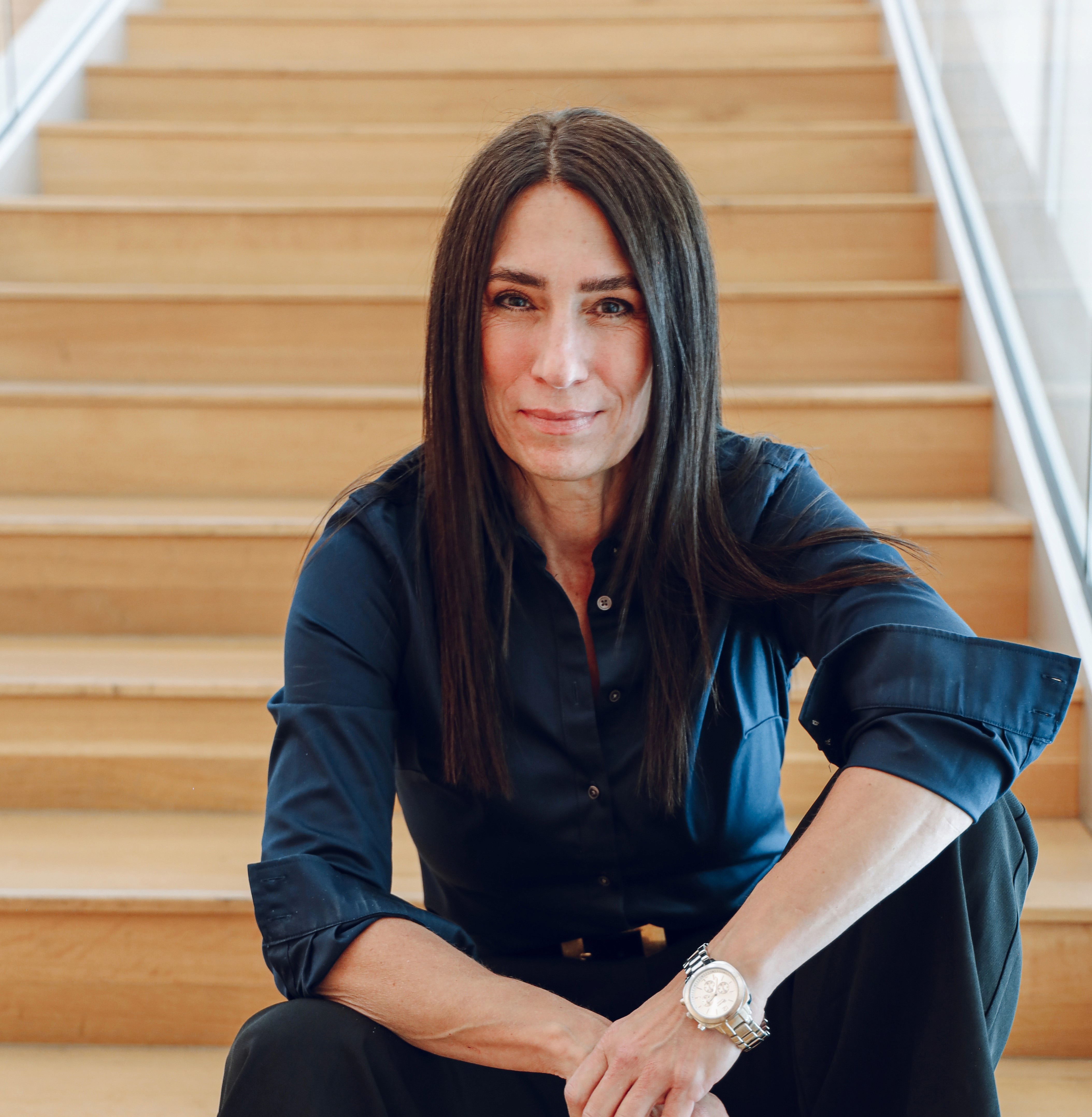











In addition to her clinical work, Dr. Houben is an active researcher affiliated with Western Michigan University, Stanford University, and The Autistic Autism Diagnosticians Collaborative. Her dissertation investigated how therapists’ attachment patterns influence the therapeutic relationship and outcomes. Using a novel, transcript-based measure of therapist attunement, she found that therapists who exhibited fewer detaching behaviors in session had clients who experienced clinically significant reductions in psychological distress. This work contributes to a growing body of research on the person of the therapist, who they are, what they bring — consciously and unconsciously — to the relational field.
Currently, Dr. Houben’s research focuses on several interrelated threads: the therapist’s role in repairing ruptures as they unfold within sessions, the development of therapist mentalization and its link to epistemic trust, and advanced training in attachment-based methods for clinicians. She is also partnering in a community-based study at Stanford Medicine’s Center for Sleep in Autism, exploring sleep health in autistic adults. Her broader research interests include adult autism, hormesis, the person of the therapist, adult attachment, epistemic trust, and the process and outcome of psychotherapy.